

Two simple YouTube rules every parent needs to know

Amy Molloy
25 February 2026, 5:00 AM
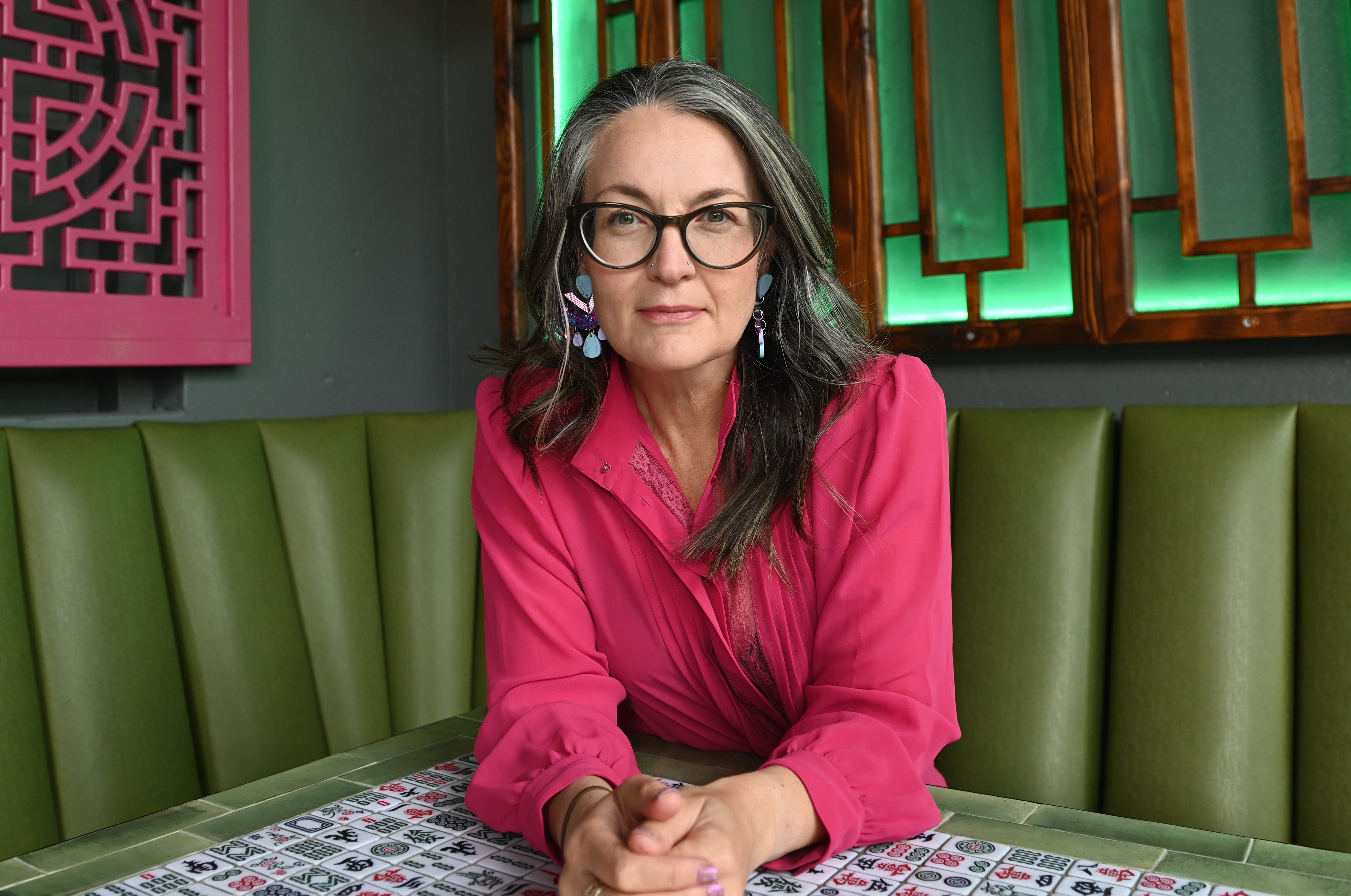 Jocelyn Brewer.
 In a follow-up to The Bugle’s report on the impact of the social media ban on regional teens, experts are warning about the “rabbit hole” of YouTube — and why it’s a lot darker than slime videos and kids unboxing Lego.
New data, released by the Australian research company Roy Morgan, has revealed YouTube viewing is near-universal among 6–13-year-olds across the country, with 89 per cent of this age group - an estimated 2.5 million - watching the streaming channel between April-December 2025.
Gaming and animation are the leading video categories Australian kids are watching on YouTube, according to the Roy Morgan Young Australian Survey (YAS).
There’s also a gender divide.
Boys are more likely to watch gaming and sport, while girls’ top-ranking categories are animals, fashion, and “unboxing” videos — usually featuring another child unboxing toys or products.
Although YouTube falls under Australia’s social media age restrictions, which means people under 16 are only permitted to access the YouTube Kids app — a version designed for 12 years and under — it’s parents who are the worst offenders for side-stepping the rules.
“A lot of my little boy’s favourite shows, like ‘Brain Breaks,’ aren’t available on [ the YouTube Kids app],” a local parent told The Bugle. “You find yourself getting worn down and letting them log onto the adult app instead.”
YouTube creators generally make significantly more money posting content for general audiences, rather than content specifically designated as “made for kids”, because of regulations surrounding data collection and advertising for children’s content.
This means, some of your kid’s favourite programs — including ‘brain breaks’ which promote movement and meditation — might be available on ‘grown-up’ YouTube only, leaving parents in a dilemma.
It’s also not necessary to log in to watch the adult YouTube channel, which means the age of the user is hard to police.
The research from Roy Morgan has revealed the worrying impact of regular YouTube viewing. Among 10–13-year-olds, those who watched YouTube were more likely than those who didn’t to prefer computer games over playing outside, and to worry about war and terrorism.
Like adults, young people are not immune to doomscrolling – the compulsive, habitual and often unconscious act of endlessly scrolling negative social media content, even when it is distressing.
Toby Dagg is a Senior Executive with the eSafety Commissioner and has been a key player in the social media age ban conversation in Australia.
“There are harms faced by kids on YouTube, which isn't a safe service by any means”, he told The Bugle. “There is a ton of material on YouTube which is completely inappropriate for kids — violent, scary, sexually suggestive, graphic and threatening.”
On average, there are over 20 million videos uploaded daily to YouTube, according to data from the streaming service.
“Given the sheer volume of material uploaded every day, problems undoubtedly still plague YouTube, no matter how sophisticated their AI classifiers might be in detecting and removing violative content,” adds Dagg.
His worries are echoed by many experts and caregivers.
Jocelyn Brewer is a psychologist and founder of Digital Nutrition with a special interest in “cyber-psychology.”
She has two rules for parents who want to keep their child safe on YouTube: no headphones for younger kids, and a “pause and show me” habit. Parents should always be able to hear what their child is watching, and a child needs to feel empowered to press pause and question any scary or bullying content.
“It keeps things calm, makes it easier to block or adjust quickly, and keeps you in the loop without turning it into a daily fight,” says Brewer.
“If your kid is watching YouTube logged out, you often miss out on a bunch of the built-in guardrails you’d get when they’re signed in. If you can, steer them to YouTube Kids or a supervised child setup.”
Even if your child is watching the kid’s version, don’t become complacent.
Emily Hanlon is a Child and Adolescent Clinical Psychologist and founder of The Playful Psychologist. With her three young children, she doesn’t allow YouTube in her home unless it’s “completely supervised.”
“Even platforms designed for younger users can’t fully filter every recommendation,” she says.
“Autoplay, endless scroll, and algorithmic suggestions can mean kids spend far longer than intended on the app and encounter content beyond what parents choose. Assuming it’s ‘just cartoons’ they’re watching can lull families into a false sense of safety, and inappropriate material can still slip through.”
Her advice? Turn off autoplay, curate playlists, and have ongoing conversations about what kids are watching.
“Most importantly, join your child’s media experience rather than leaving them solo,” she says. “Co-viewing helps you contextualise content and model critical thinking around what they’re seeing.”
NEWS