
South Coast Native Title claim could carry national significance

Myah Garza
27 February 2026, 5:00 AM
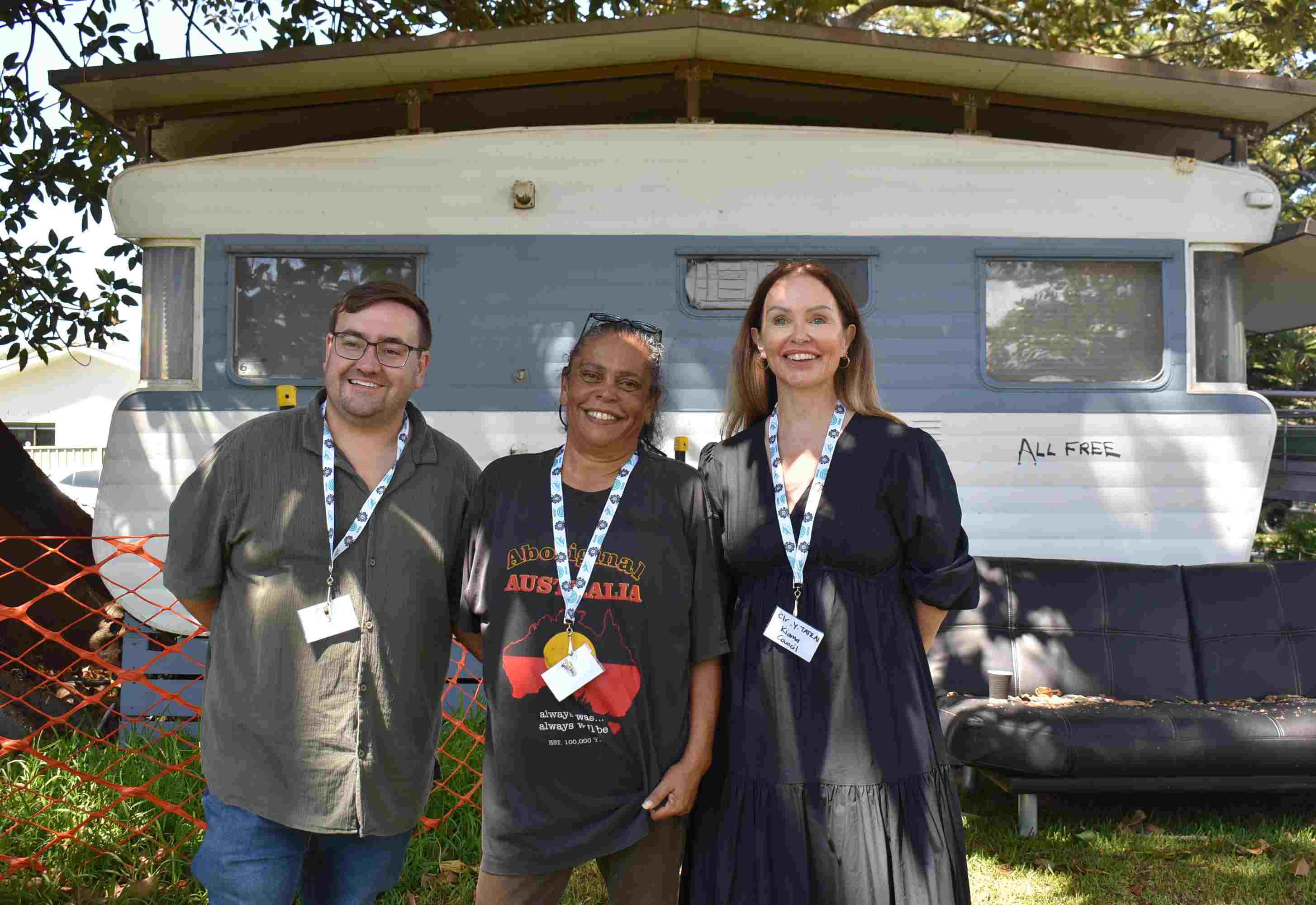 Left to right: Cr Stuart Larkins, Aunty Gwenda Jarret, and Cr Yasmin Tatrai
A Native Title claim covering the NSW South Coast from southern Sydney to the Victorian border is edging closer to formal recognition, with local leaders gathering in Kiama and Gerringong last week to prepare for its impact.
The Kiarama Southeastern Seaboard Native Title Partnership Symposium, hosted by Kiama Council and the Gerringong Aboriginal Housing Corporation on February 18 and 19, brought together Traditional Custodians, councils, state agencies and Aboriginal organisations ahead of the pending South Coast Aboriginal Peoples’ consent determination.
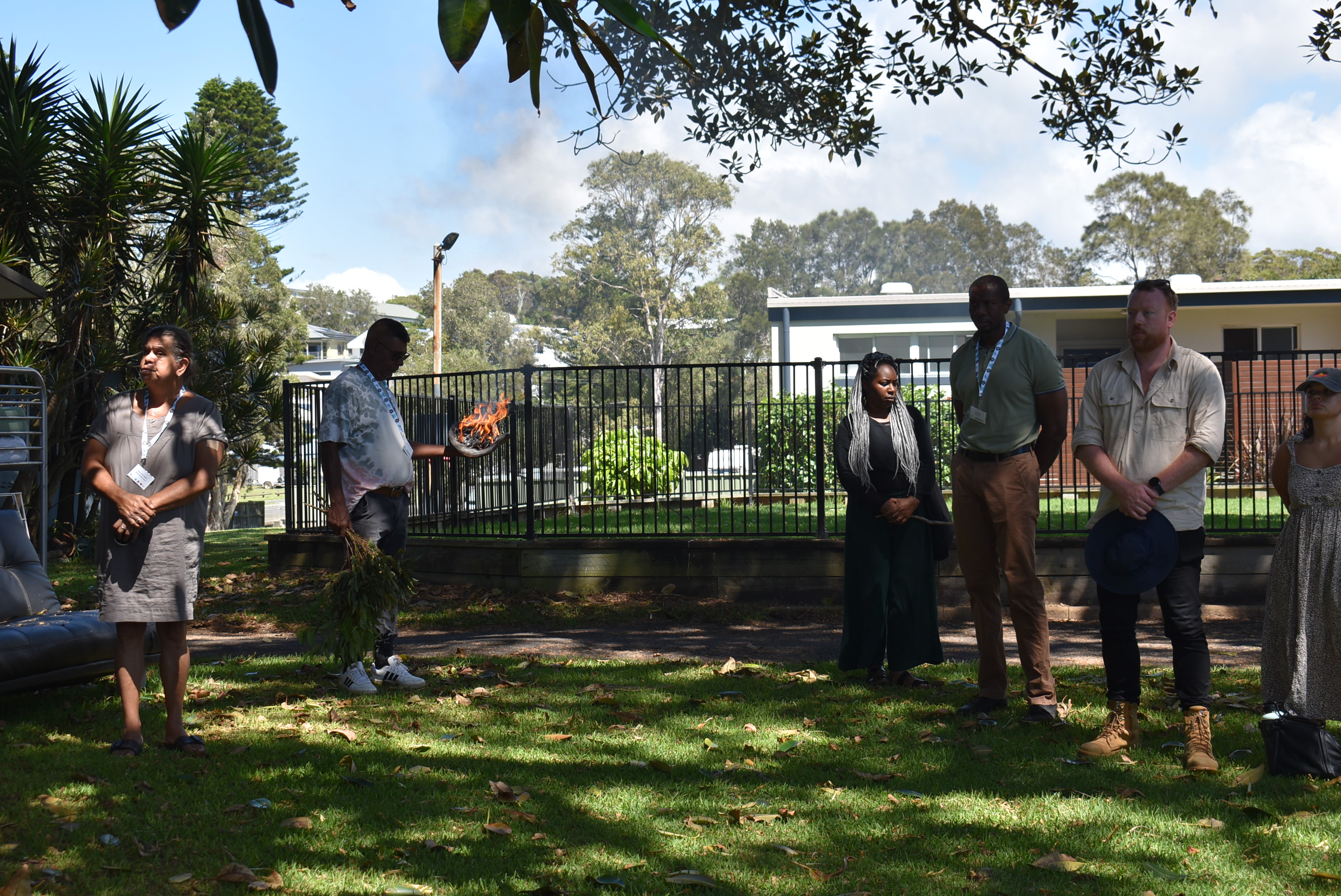
Aboriginal Elder Uncle Stan Jarrett, the chair of the Kiarama Southeastern Seaboard Native Title Partnership Symposium, said the claim has been nearly a decade in progress.
“It goes back about eight, nearly nine years,” he said. “The claim’s just about to be rubber-stamped, probably about another year and a half, I reckon.
“It’s not an actual court decision – it is a consent determination.”
A consent determination means the NSW Government agrees to recognise Native Title rights without a contested court trial.
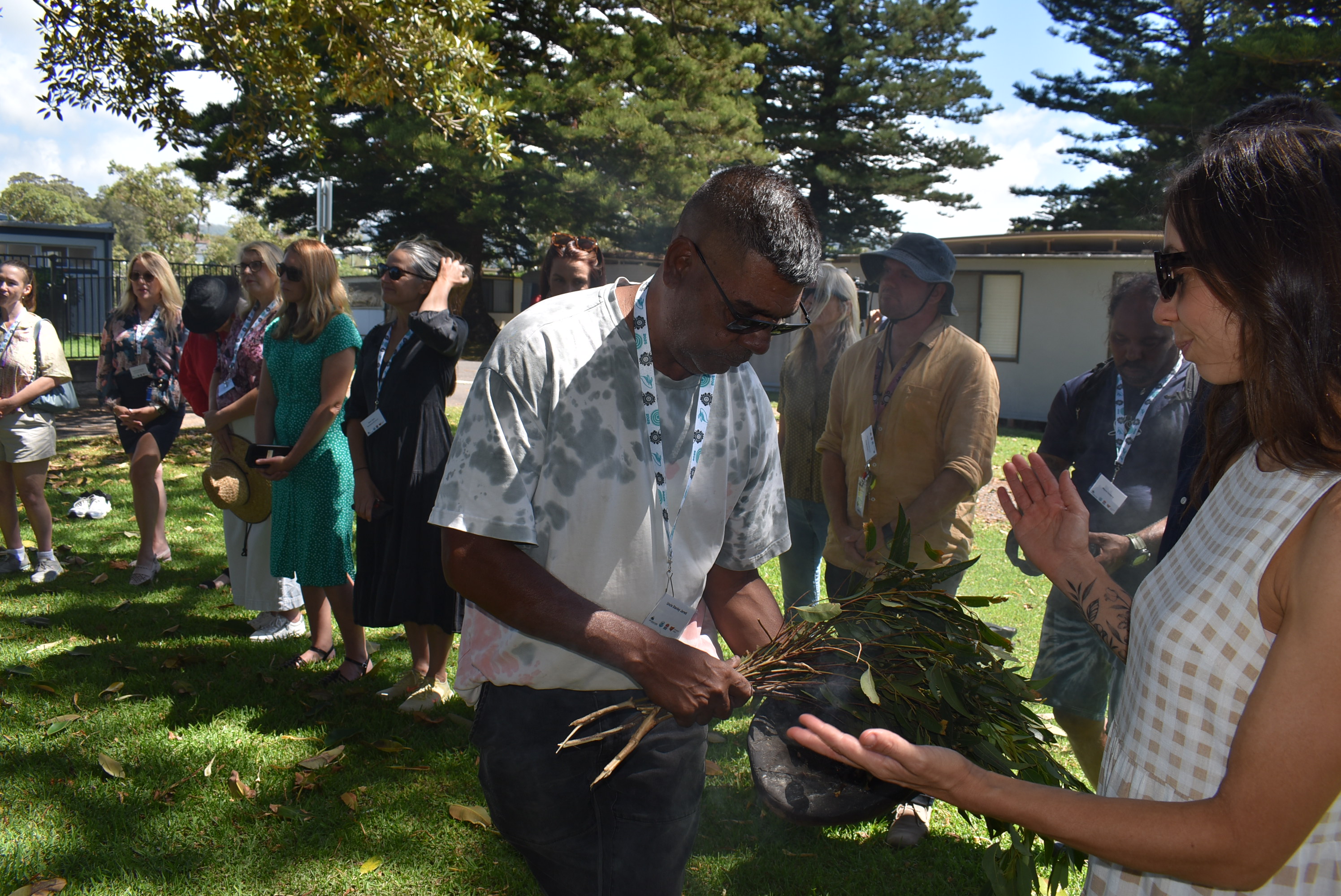
Uncle Stan said the process had involved extensive genealogical research and years of negotiation.
“We had to go back and find all the lineages,” he said.
The claim spans coastal land and sea country from Bundeena in southern Sydney to the Victorian border, extending three nautical miles offshore – a component that could carry significant implications.
Kiama Councillor Stuart Larkins described it as “quite a significant Native Title claim”.
“It’s been on for some years. These things take a lot of time, and we’re probably still a couple more years away, but we’re getting closer to determination,” Cr Larkins said.
“The biggest thing for government, whether it’s local, state or federal, is understanding what that claim is going to be and how that works, particularly for local government, which owns or manages Crown Land.”
He said the inclusion of sea country rights makes the claim especially important.
“One of the biggest things about this claim is that it not just focuses on traditional native title aspects, but it’s also about sea country,” he said.
“The big question for the last 30 years hasn’t been so much about land – it’s been about water rights … Once a determination is made on this claim, particularly around sea country, it could have national significance.”
Jarrett said the symposium was designed as an information and preparedness forum for councils along the coast.
“It was a great information day for local governments from Sutherland Shire to Bega Valley – all the councils in between,” he said.
“A lot of people got a lot of great information about what a Native Title claim is and what implications it has for local governments.”
He said a key outcome was the beginning of a co-designed framework for how councils and Aboriginal communities will work together once the determination is made.
“Part of the aim was to start a dialogue with local government and the Aboriginal communities of the South Coast and to form a network of Native Title officers,” he said.
“We’ve started a framework of how government could work with Aboriginal communities up and down the coast. That’s going to be co-designed by councils and communities together.”
Uncle Stan said the framework would allow for place-specific relationships, acknowledging that Aboriginal communities along the coast are culturally diverse.
“All the communities are different up and down the coast,” he said. “What we’re trying to do is provide a framework where they can initiate local relationships in their own areas.”
He noted that only three of a minimum of six councils represented at the forum indicated they had a Reconciliation Action Plan in place – which he found surprising.
“You’d think they’d all start a reconciliation action plan,” he said.
The symposium also addressed environmental concerns linked to sea country, including the decline of kelp forests along the Great Southern Reef due to sea urchin overpopulation.
“Our Great Southern Reef is under threat,” Jarrett said.
He described underwater areas once covered in kelp forests now reduced to “white rock, an undersea desert”.
Speakers discussed sea country plans developed along the coast and the recent formation of the NSW Aboriginal Sea Country Alliance, which Jarrett said underpins the broader Native Title claim.
“Sea country and country – nowadays, it’s everybody’s business,” he said. “We all have to live together and we have to work together.”
Kiama Council highlighted its ongoing reconciliation work, including an Aboriginal Advisory Group and a Reconciliation Action Plan nearing final endorsement.
“We’re in such a really good place with our community through years and years of open and frank dialogue and relationship building,” Cr Larkins said.
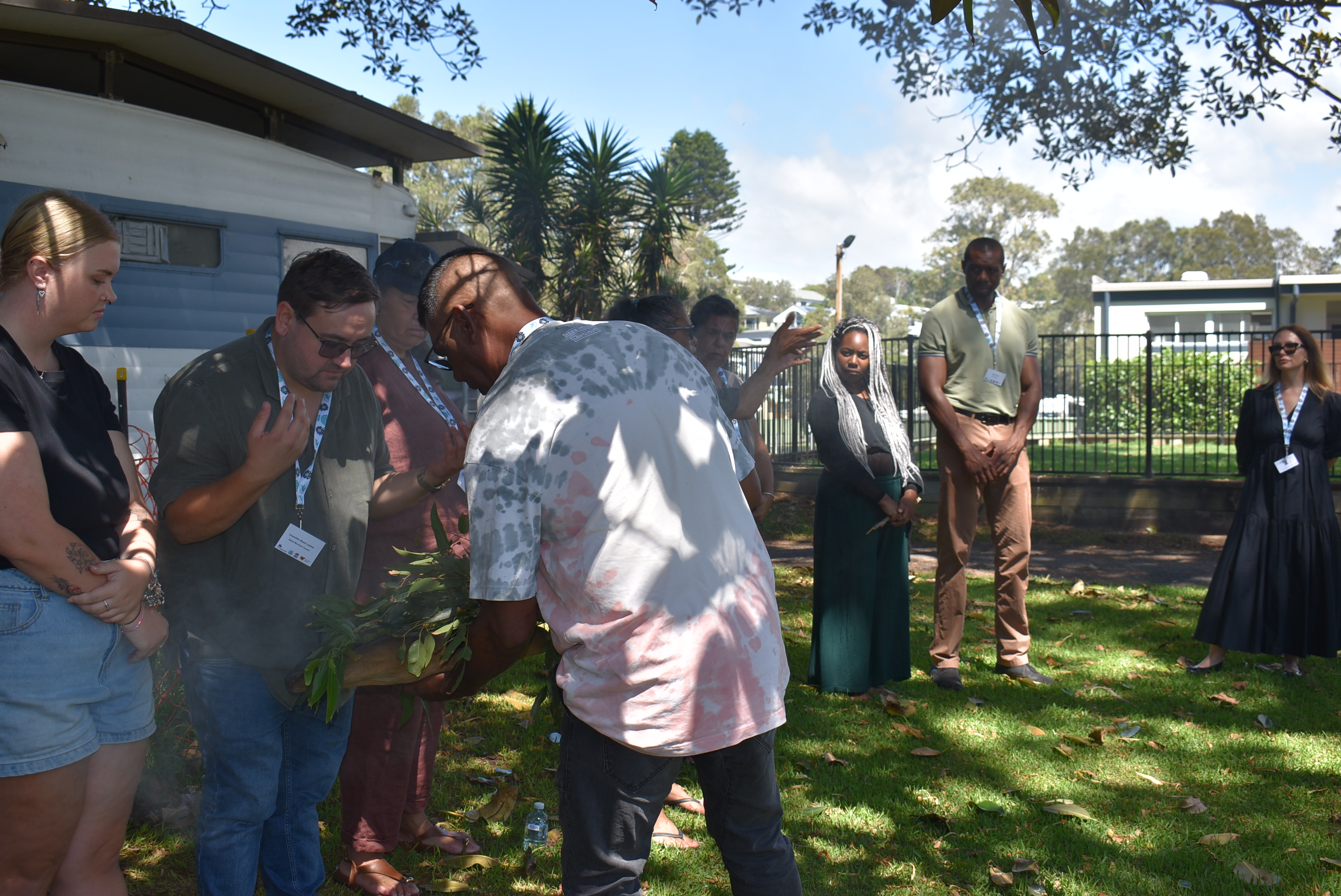
The symposium, funded by NSW Aboriginal Affairs, included speakers from Crown Lands, Aboriginal Affairs, Native Title Services and the Native Title Claimant Group, as well as workshops focused on governance, land management and cultural heritage.
“It’s a step in the right direction,” Jarrett said.
Organisers hope similar forums will be held across the coast as the determination approaches, ensuring councils and communities are ready to work together once Native Title is formally recognised.
NEWS