

From knitting groups to crypto ATMs: Romance scammers target Kiama retirees

Amy Molloy
07 March 2026, 10:00 PM
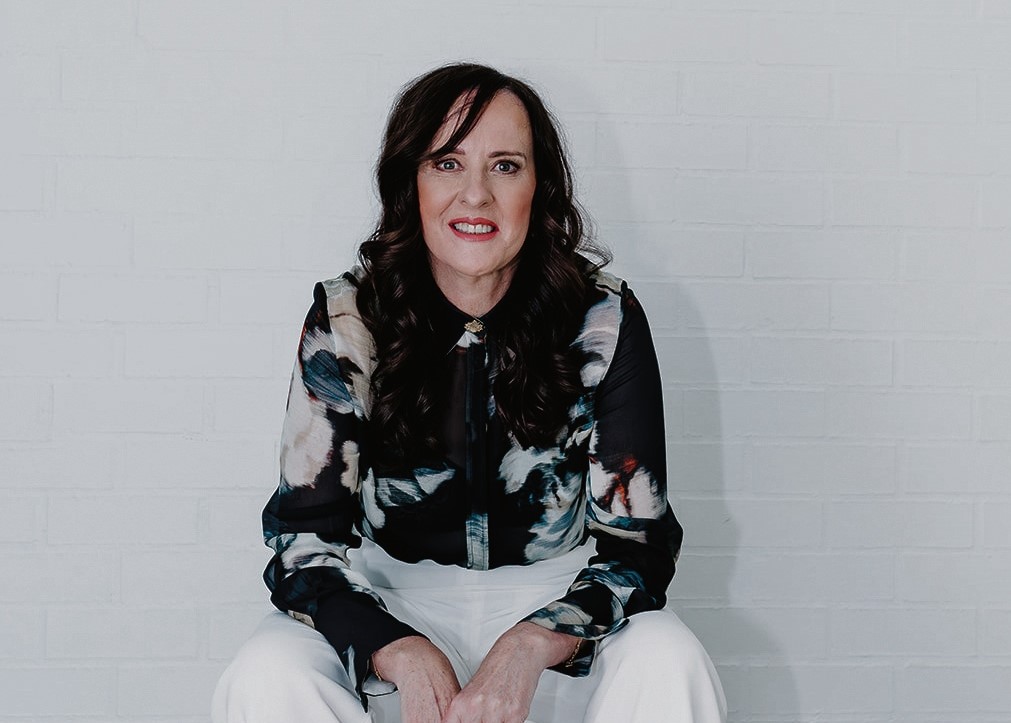 Investigator Kylee Dennis
Former police officer turned private investigator Kylee Dennis has a warning for local families: scammers are targeting elderly people in the area — and not in the way you might imagine.
“They’re actually coming through Facebook groups,” says Dennis, the founder of Two Face Investigations based in Shellharbour but operating nationally. “Let’s say an older person has joined a knitting Facebook group or a book club. The scammers are infiltrating these groups and then using this shared interest to engage with them.”
From there, an insidious strategy unfolds.
“They look for people who are single or seem to be lonely, and they strike up a friendship,” says Dennis. The hallmark of a scammer? They encourage the conversation to move to a private messaging platform — WhatsApp and Zangi are popular, according to Dennis.
“There, they start the isolation process,” she says. “They create a friendship or a romance, and then they ask for money. It’s those aged 65 and above who are being targeted the most. They’re losing the most money, but anyone can be a victim.”
She says it’s a misconception that scammers ask for five-figure sums. In fact, it’s far more common for people to lose small, incremental amounts of money — a “drip feed”, as Dennis calls it.
A common strategy is asking for Apple, Amazon or Google Play gift cards. A scammer will ask someone to buy a gift card — or ten — and send through the number on the back of the card so they can redeem it.
“Now, we have these insidious things called crypto ATM machines,” warns Dennis. “There’s another investigator in the area who is also an ex-cop, and I send all my crypto cases to him because it’s so complicated.”
Crypto ATMs are kiosks that allow users to buy (and sometimes sell) cryptocurrencies like Bitcoin using cash or card, with over 2,000 now operating in Australia, including in the Illawarra.
A scammer can set up a crypto wallet and then ask someone to deposit money through a crypto ATM into their ‘account’.
“The older generation are feeding money into these machines now because that’s what their scammers are telling them to do,” she says. “It’s prevalent.”
In October 2025, the Albanese government announced plans to create new powers to crack down on the use of crypto ATMs, after authorities warned they had become a major source of criminal activity, including scams, money laundering and terrorism financing.
In 2025, $28 million was reportedly stolen by romance scammers in Australia, according to Scamwatch, with 71 per cent of reports involving online contact.
Demographics at higher risk of being targeted include individuals aged over 55, widows or recently separated people, and retirees. Dennis’ typical client is the family member of a suspected victim.
“It’s often a daughter who is worried about her mum,” she says. “They say she’s talking to someone online and her personality has changed; she’s become quite secretive.” Her next step is an interview with the mother, where she looks for red flags and discusses ways to protect her finances.
In February, the Australian Federal Police (AFP) issued a warning about the so-called “48-hour rom-con”. Detectives have noticed the first 48 hours after a scammer makes contact with a target are critical — if they can’t “hook” a person within that time, they’ll move on.
“I always teach people to ‘pause, check, ask,’” says Dennis. “These scammers want everything to be urgent. They say they’re in trouble, and older people are so kind, they act straight away. Nothing is that urgent. So, let’s pause for five minutes and get a second set of eyes on it.”
Through her work, she hopes to improve digital literacy, especially in the elderly, so people can stay ahead of the latest scamming strategies and reduce the stigma.
“It is a calculated grooming of someone,” she says. “The scammers are controlling the victim, persuading them to believe a story and putting them under a spell.”
NEWS